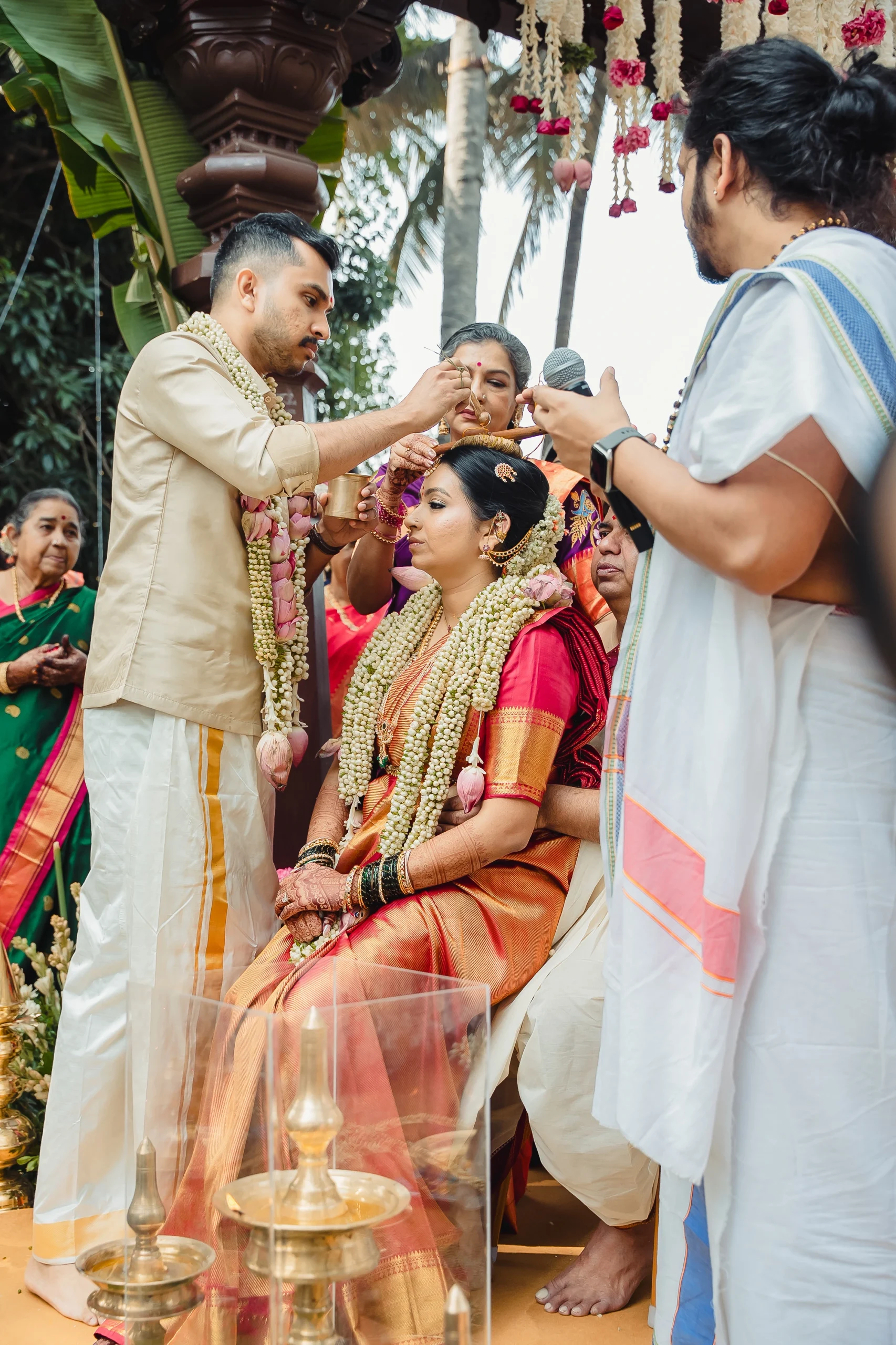
Tamil weddings are not just ceremonies- they are deeply symbolic experiences layered with culture, devotion, and family traditions. If you’ve ever attended one, you’ll notice how every ritual, every chant, and every gesture carries meaning passed down through generations.
This guide offers a clear look at Traditional Tamil Wedding Rituals, helping you understand both the process and the purpose behind each step.
Understanding Tamil Wedding Customs
Tamil wedding customs are rooted in Vedic traditions and reflect the spiritual union of two families, not just two individuals. A Tamil Hindu wedding ceremony is known for its structured sequence, sacred chants, and symbolic acts that emphasise commitment, prosperity, and harmony.
In many cases, Tamil Brahmin wedding rituals follow a more detailed Vedic format, while other communities may adapt rituals slightly based on regional practices. Still, the essence remains the same- respect for tradition and spiritual bonding.
Step-by-Step Tamil Wedding Rituals Explained
Let’s walk through the step-by-step Tamil wedding rituals explained in a simple way.
Panda Kaal Muhurtham
This pre-wedding ritual marks the formal beginning of the celebrations. A bamboo pole is planted at both the bride’s and groom’s homes, symbolising stability and divine blessings for the wedding ahead.
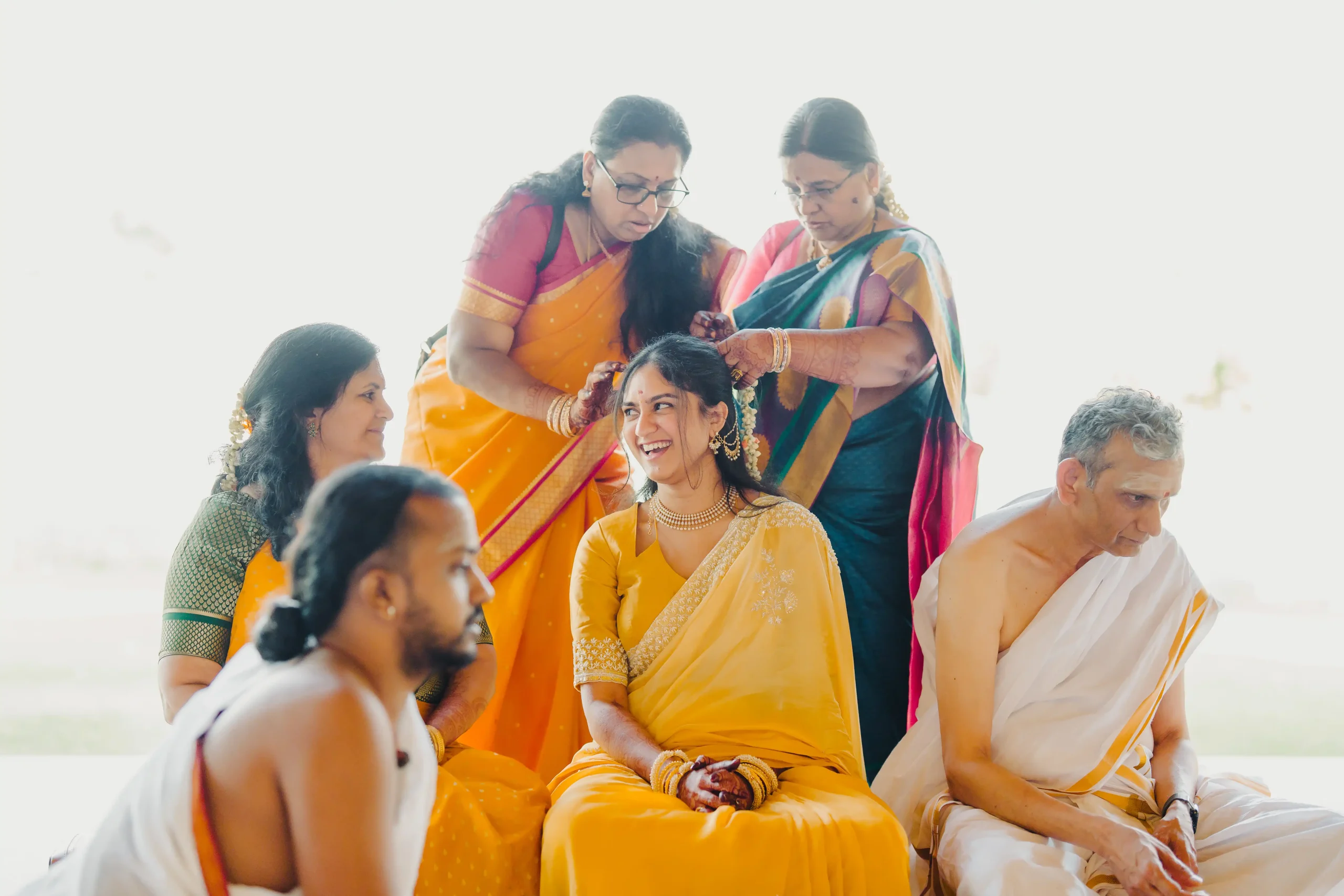
Sumangali Prarthanai
A deeply emotional ritual where married women (sumangalis) are honoured. Families seek blessings from ancestral women for a smooth and prosperous married life. The significance of Tamil marriage ceremonies becomes very evident here- honouring lineage and continuity.
Vratham Ritual
The bride and groom perform separate prayers to prepare themselves spiritually. The meaning of Tamil wedding rituals is clear in this step- it represents purification and readiness for a new phase of life.
Kanyadaanam Tamil Wedding
One of the most emotional moments. In the Kanyadaanam Tamil wedding, the bride’s father formally gives his daughter’s hand to the groom, entrusting her happiness and well-being to him.
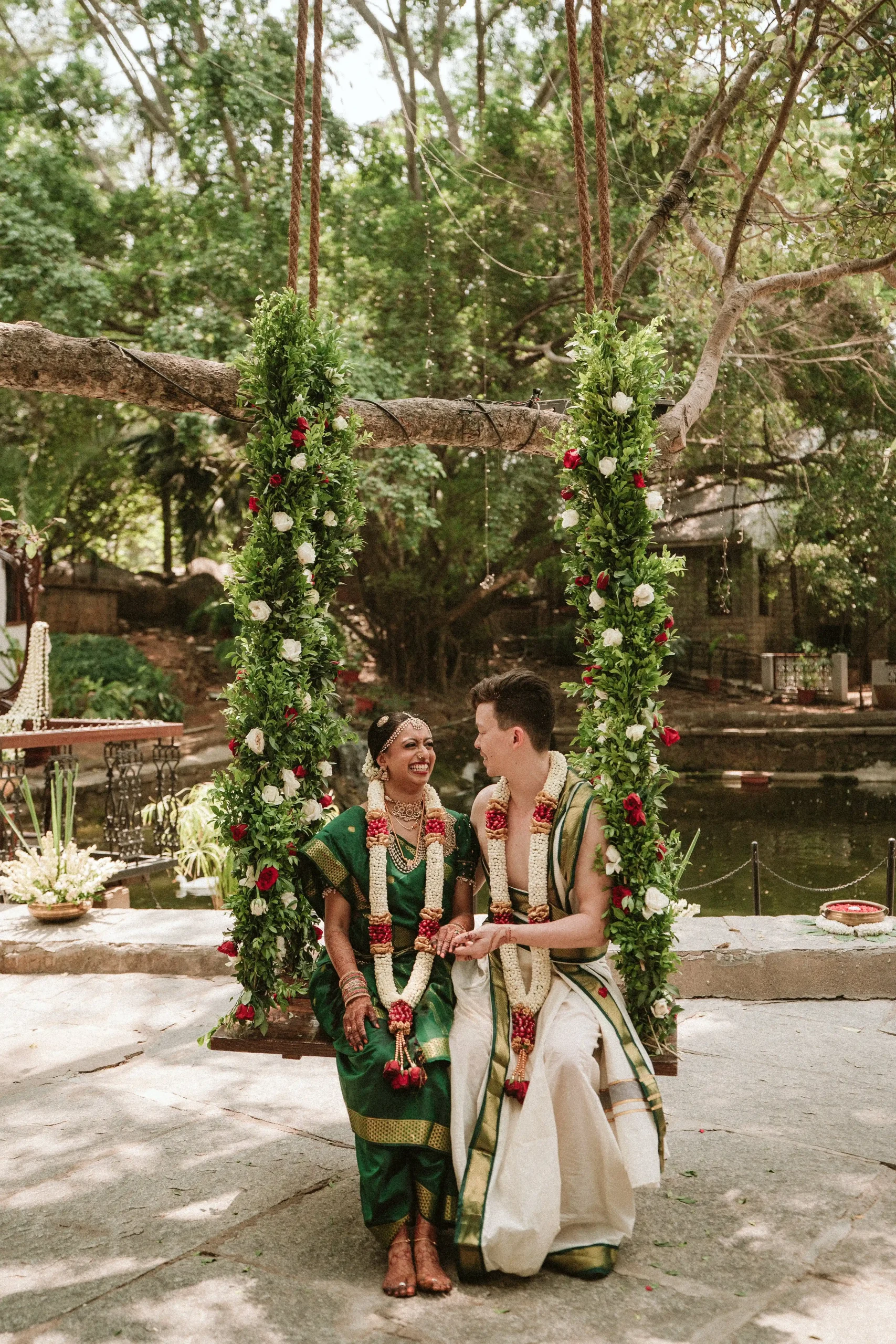
Mangalyadharanam Ritual
This is the defining moment of the wedding. During the Mangalyadharanam ritual, the groom ties the sacred “thaali” (mangalsutra) around the bride’s neck, symbolising their marital bond. The atmosphere shifts instantly- music rises, families celebrate, and emotions run high.
Sapthapadi Tamil Wedding
The couple takes seven steps together around the sacred fire in the Sapthapadi Tamil wedding. Each step represents a vow- ranging from mutual respect to shared responsibilities and lifelong companionship.
Significance of Tamil Marriage Ceremonies
The beauty of South Indian wedding rituals lies in their depth. These rituals are not performed mechanically. Each one has a purpose:
- Strengthening family bonds
- Seeking divine blessings
- Preparing the couple emotionally and spiritually
- Establishing shared values and responsibilities
Even today, modern couples find meaning in these traditions because they offer something rare- intentional commitment.
FAQs
How is a Tamil wedding different from other South Indian weddings?
Tamil weddings are highly structured with Vedic rituals, precise timings, and symbolic ceremonies like Sapthapadi and Mangalyadharanam, making them more spiritually detailed compared to other South Indian weddings.
Why is Sumangali Prarthanai performed before a Tamil wedding?
It is performed to seek blessings from married women and ancestors, ensuring prosperity, marital harmony, and protection for the bride in her new journey.
What happens during the Panda Kaal Muhurtham ceremony?
A bamboo pole is planted to mark the start of the wedding festivities. It symbolises strength, stability, and the family’s readiness to host the sacred ceremony.
What is the significance of the Vratham ritual in Tamil weddings?
Vratham represents spiritual cleansing and preparation. The bride and groom take vows and perform prayers to begin married life with purity and commitment.