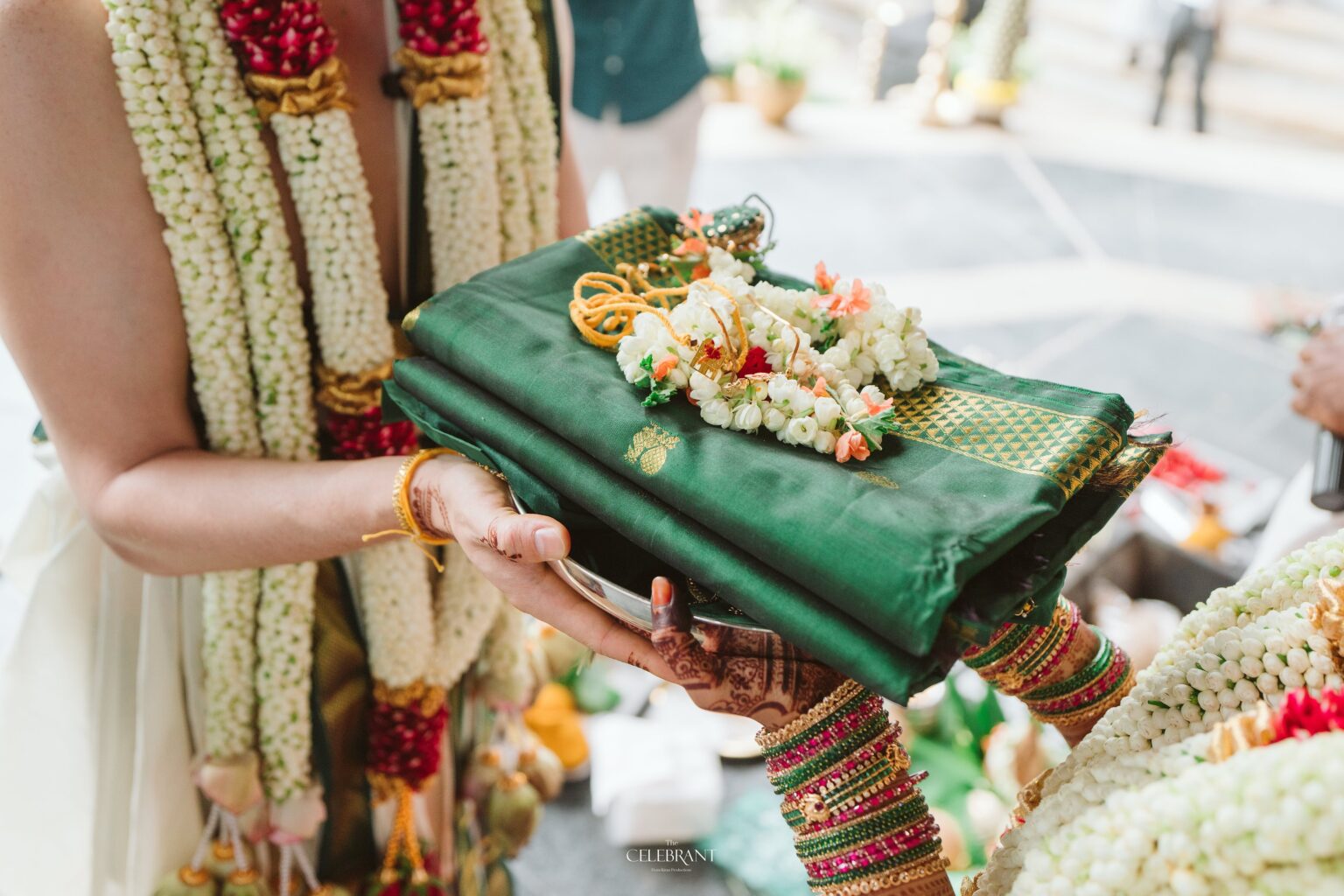
A wedding is a celebration of love, family, and togetherness, and in 2026, more couples are choosing to extend that thoughtfulness to the environment too. An eco-friendly wedding does not mean giving up beautiful décor or meaningful details. It simply means making considered choices that reduce waste while keeping the celebration personal and memorable.
From invitations and table settings to guest favours and décor, even small changes can make a meaningful difference.
Sustainable Wedding Invitations That Set the Tone
Your invitation is the first glimpse guests receive of your wedding; instead of traditional paper stationery, consider eco-friendly wedding invitations made from recycled or responsibly sourced paper. Seed paper invitations are another beautiful option, allowing guests to plant the paper after the celebration.
For couples looking for elegant stationery without a high environmental cost, sustainable wedding invitations can be designed digitally or printed on FSC-certified, recycled, or handmade paper. Recycled wedding invitations can also bring a distinctive, textured character to your wedding stationery while reducing the demand for new paper.
Thoughtful Eco-Friendly Wedding Favours
Wedding favours are a lovely way to thank guests for being part of your celebration. Choose useful, locally sourced, or plantable gifts instead of items that may eventually be discarded. Small potted plants, seed packets, handmade soaps, reusable fabric bags, or locally made treats are thoughtful, eco-friendly wedding favours that guests can actually enjoy.
You can also explore biodegradable wedding favours, such as natural seed paper products or bamboo-based keepsakes. For something more personal, consider sustainable wedding gifts sourced from local artisans and small businesses.
Sustainable Wedding Decor Ideas
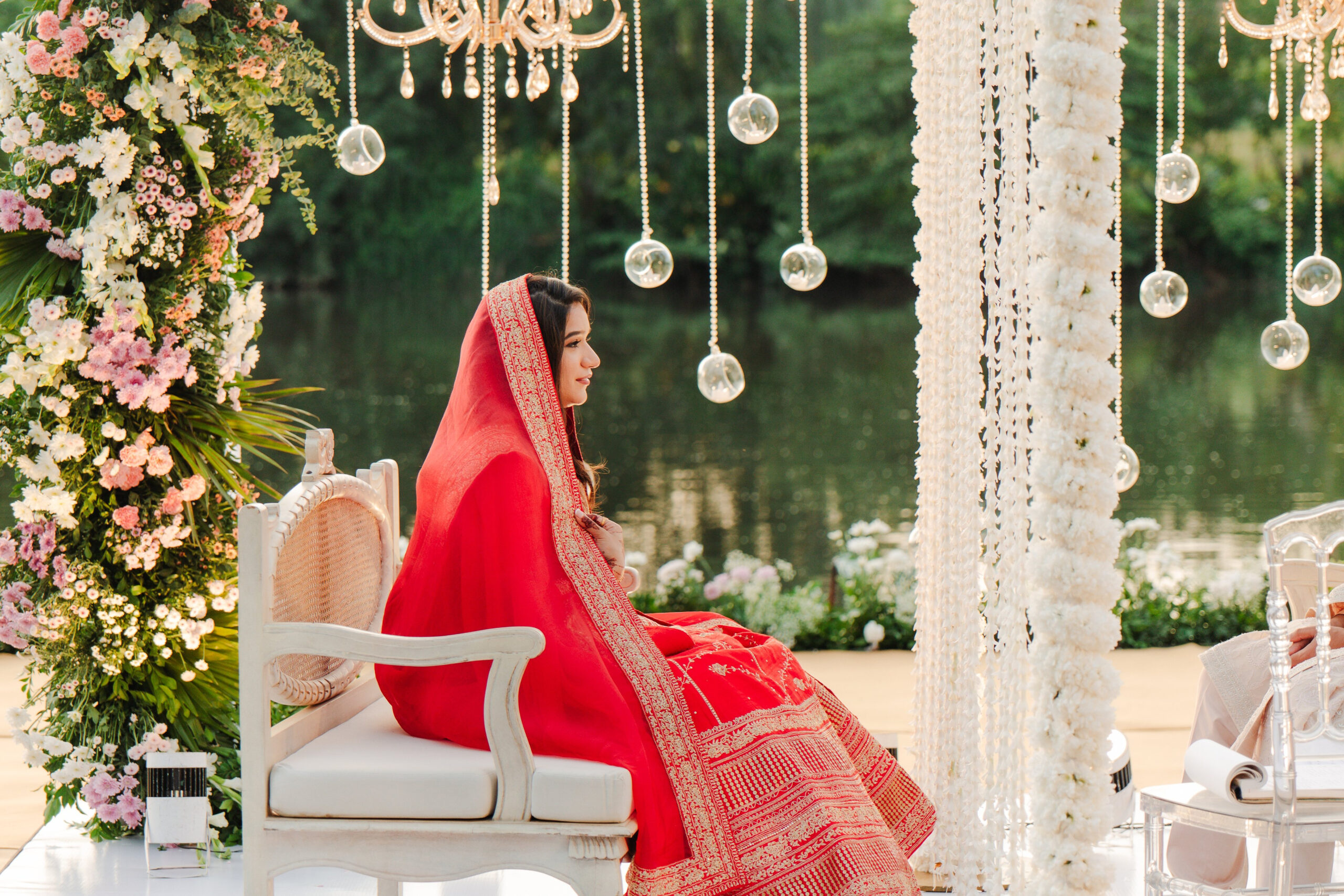
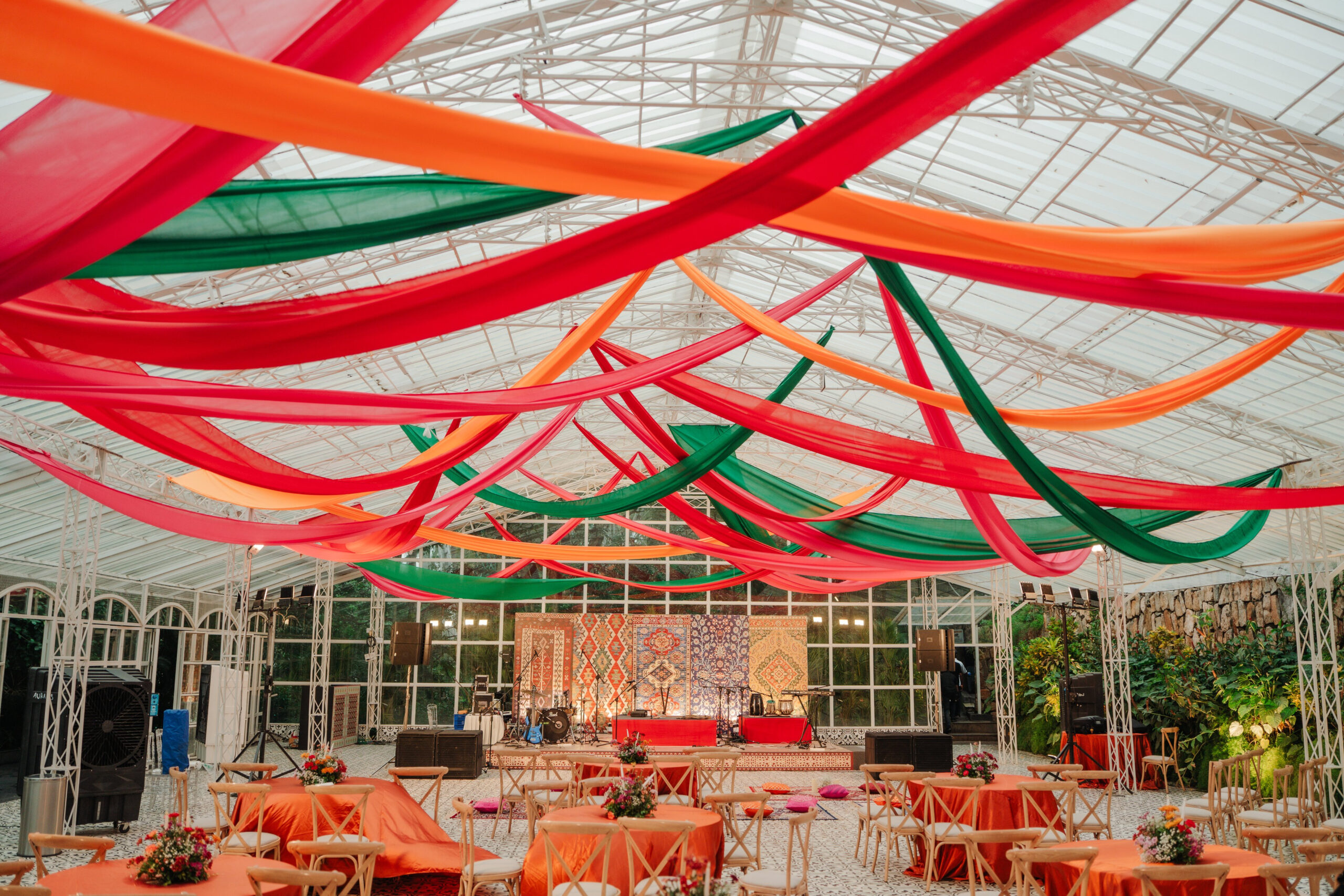
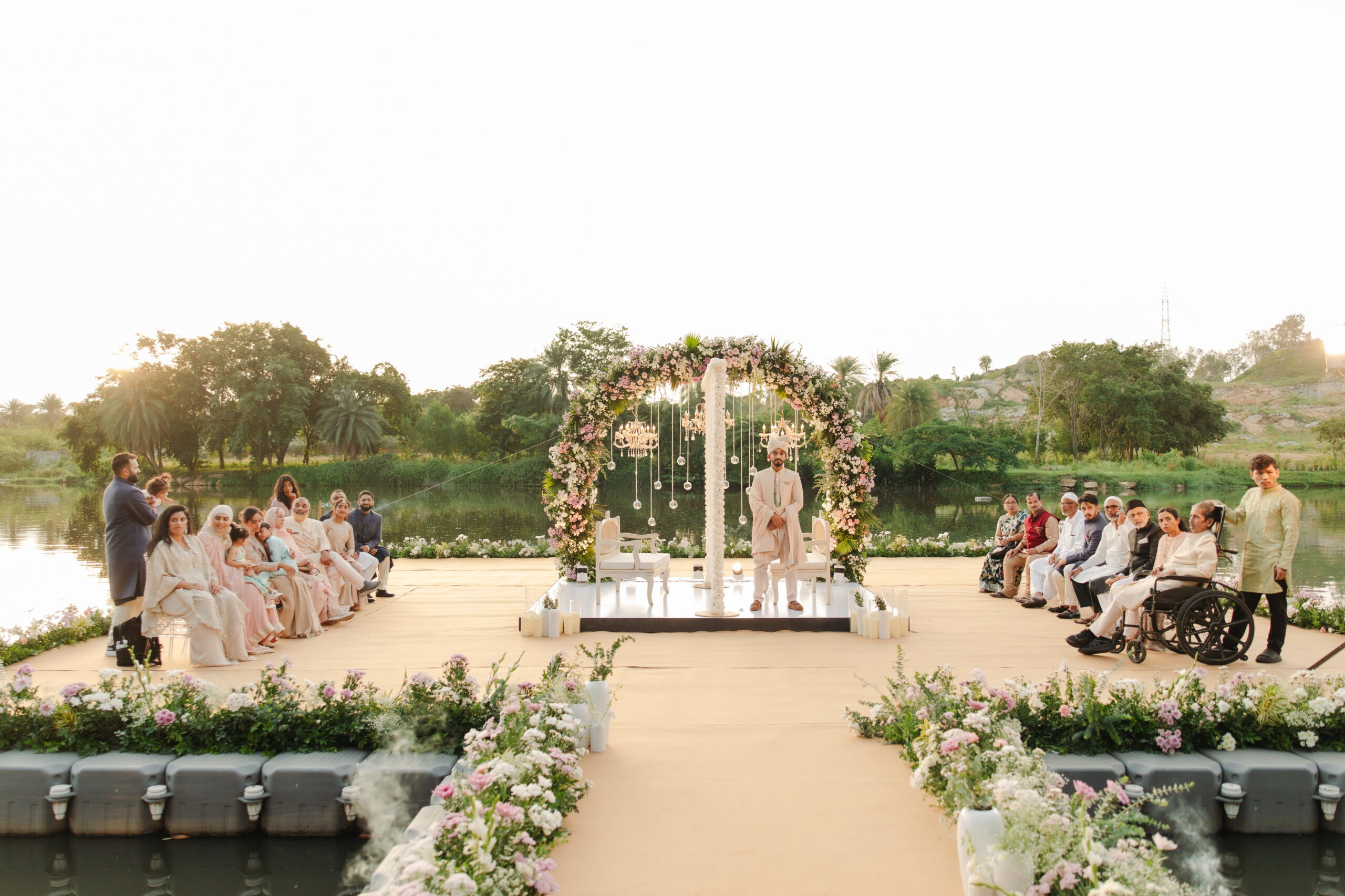
Beautiful décor does not have to create unnecessary waste. Reusable fabric drapes, locally grown flowers, potted plants, natural materials, and rented décor pieces can all help create an elegant setting.
One of the most effective sustainable wedding décor ideas is to repurpose arrangements across different functions. Ceremony flowers can become reception décor, while signage and installations can be designed for reuse. Choosing seasonal and locally available flowers can also reduce transportation-related impact.
For dining, couples can consider compostable plates for wedding celebrations, particularly when reusable crockery is not practical. Quality eco-friendly plates for wedding catering can be made from materials such as areca leaves, bamboo, or bagasse. When selecting the best compostable plates for wedding meals, check that they are food-safe, sturdy, and suitable for the type of food being served.
How to Plan a Zero-Waste Wedding
Knowing how to plan a zero-waste wedding starts with looking at every stage of the celebration. Avoid unnecessary single-use items, confirm guest numbers carefully to reduce food waste, donate usable décor or leftover food where possible, and provide clearly marked waste-segregation bins.
Working with eco-friendly wedding vendors can make these choices easier. From caterers who minimise food waste to decorators who use reusable installations, the right partners can help turn sustainability into a natural part of your celebration.
FAQs
What are good eco-friendly wedding favour ideas?
Seed packets, small plants, reusable pouches, handmade soaps, and locally sourced treats are thoughtful choices.
How can I make my wedding more sustainable?
Reduce single-use materials, choose reusable décor, minimise food waste, and work with local, sustainability-conscious vendors.
Are compostable plates safe for catering use?
Yes, certified compostable plates designed for food service are generally safe. Choose products suitable for the food and serving conditions.
What are affordable eco-friendly wedding invitation options?
Digital invitations, recycled paper, and simple handmade stationery can be beautiful and budget-friendly choices.
How do I reduce waste at an Indian wedding?
Plan food quantities carefully, reuse décor across functions, avoid unnecessary printed materials, and segregate waste for recycling and composting.