Key Takeaways
- Roka starts the journey; vidaai closes the wedding.
- Sikh couples marry through Anand Karaj; Hindu Punjabi couples take pheras.
- Sangeet and jaggo bring the energy.
- Share the ritual order with your planner early.
Few celebrations match the energy of a Punjabi wedding: dhol beats, boliyan, colour and days of ceremony. At Aikyamm, we think knowing the order makes it easier to enjoy every moment. Here’s your step-by-step guide to Punjabi wedding rituals.
Overview of Punjabi Wedding Traditions
Punjabi wedding traditions typically stretch across three to five days, though the Roka and Sagai may happen weeks or months earlier. Like many Indian wedding rituals, each step carries meaning. Sikh and Hindu Punjabi families share most pre-wedding ceremonies, but the main ceremony differs: a Sikh wedding centres on the Anand Karaj, while Hindu Punjabi couples take pheras around a sacred fire.
Together, Punjabi wedding rituals express love, family bonding and prosperity.
Pre-Wedding Punjabi Wedding Rituals
The journey of Punjabi wedding rituals begins long before the wedding day, with joyful, family-filled wedding functions.
Roka Ceremony
The Roka is the first formal step. Both families agree to the match, exchange sweets, gifts and blessings, and stop considering other proposals. It’s usually small and intimate, a gentle start.
Chunni Ceremony
In the Chunni ceremony, the groom’s mother and female relatives drape a chunni over the bride’s head, adorn her with jewellery and often present her first bridal outfit. It’s a warm welcome into her new family.
Mehendi Ceremony
At the Mehendi, intricate henna covers the bride’s hands and feet while family members sing and dance. Tradition says that the deeper the colour, the stronger the love. Who wouldn’t want that?
Sangeet Ceremony
The Sangeet is a night of boliyan and dhol, with both families dancing together. Our honest opinion at Aikyamm: plan the sound well, because this is the night guests remember.
Jaggo Ceremony
The night before the wedding, relatives balance a lit copper pot called a gaggar on their heads and dance to boliyan. Jaggo means “wake up”, and that’s exactly the point. It’s Punjabi marriage rituals at their most lively.
Punjabi Wedding Day Rituals
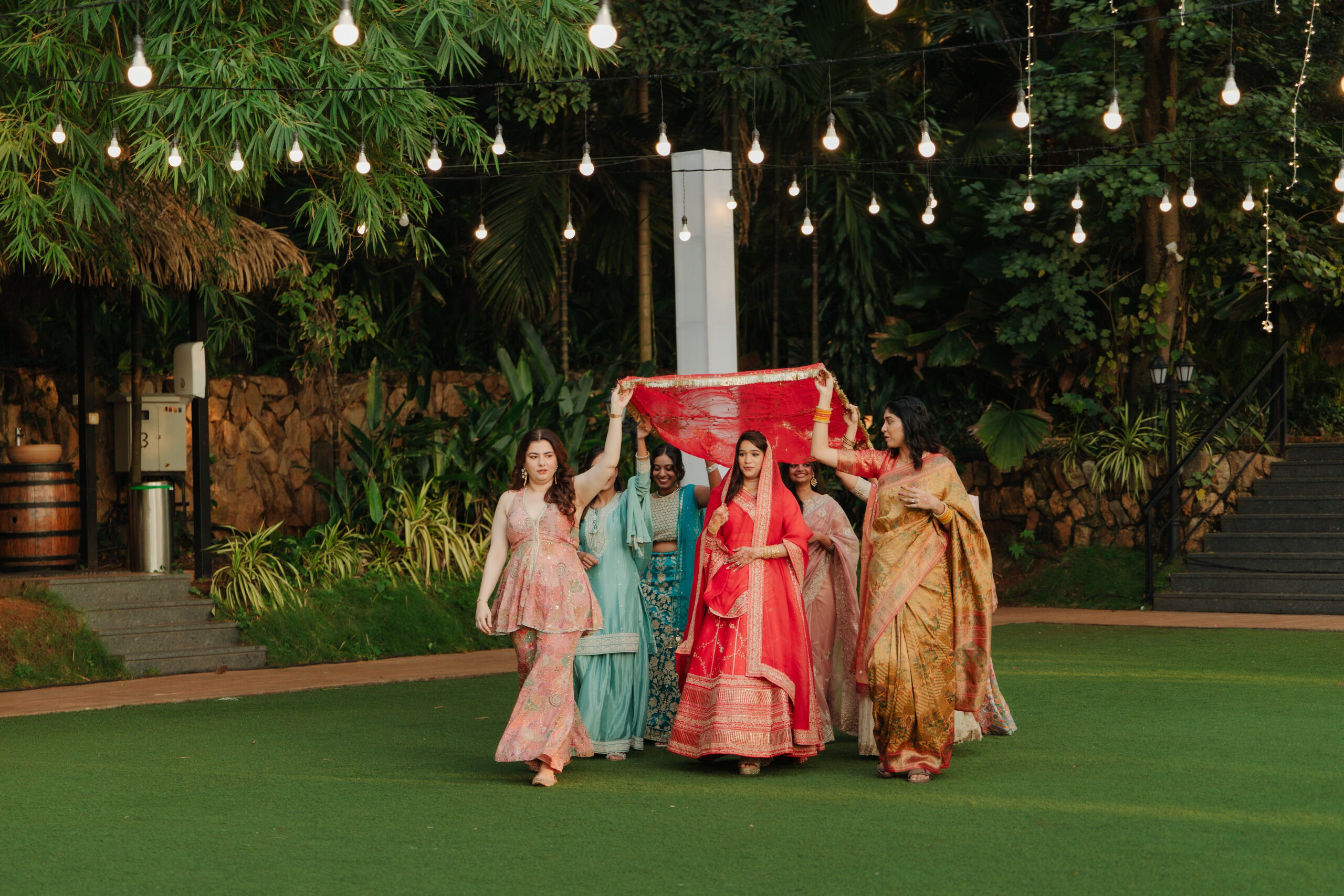
In the morning, the bride’s maternal uncle gifts the choora, red and white bangles, and her sisters tie golden kaleere to them. These Punjabi wedding rituals are emotional, so keep tissues handy.
Sehra Bandi & Ghodi
At the groom’s home, elders and brothers-in-law tie his turban and fasten the sehra, a veil of flowers or beads. He then rides a decorated mare, which his sisters feed and adorn.
Baraat & Milni
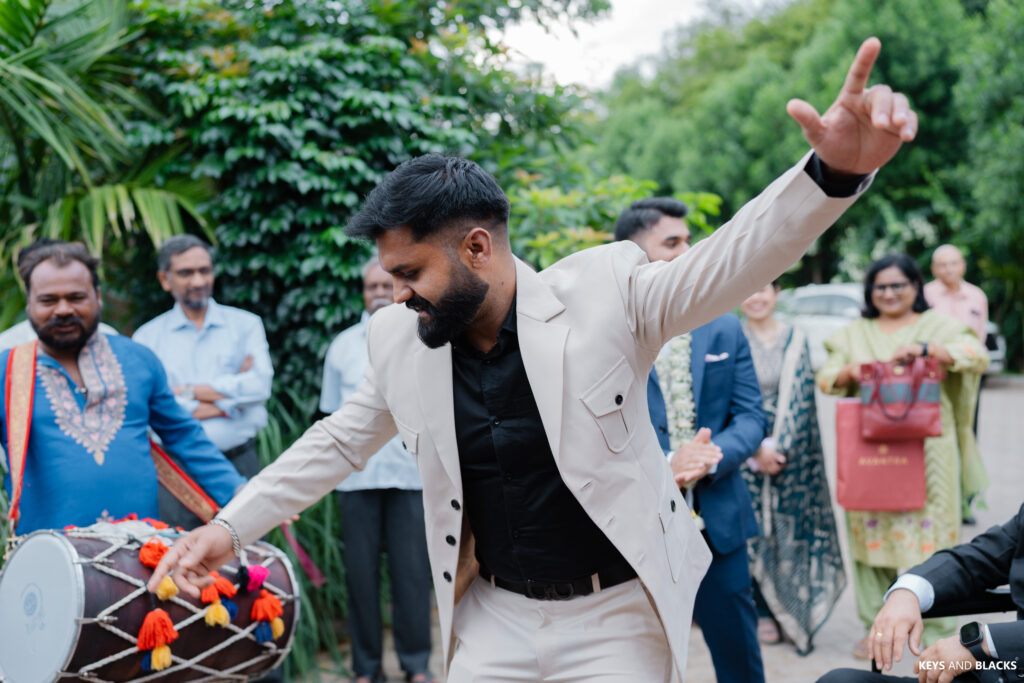
The baraat is the groom’s procession, dancing to the dhol. On arrival comes the milni, where matching male relatives, such as father with father, greet each other with garlands, hugs and gifts. It symbolises the unity between the families.
Anand Karaj & Laavan
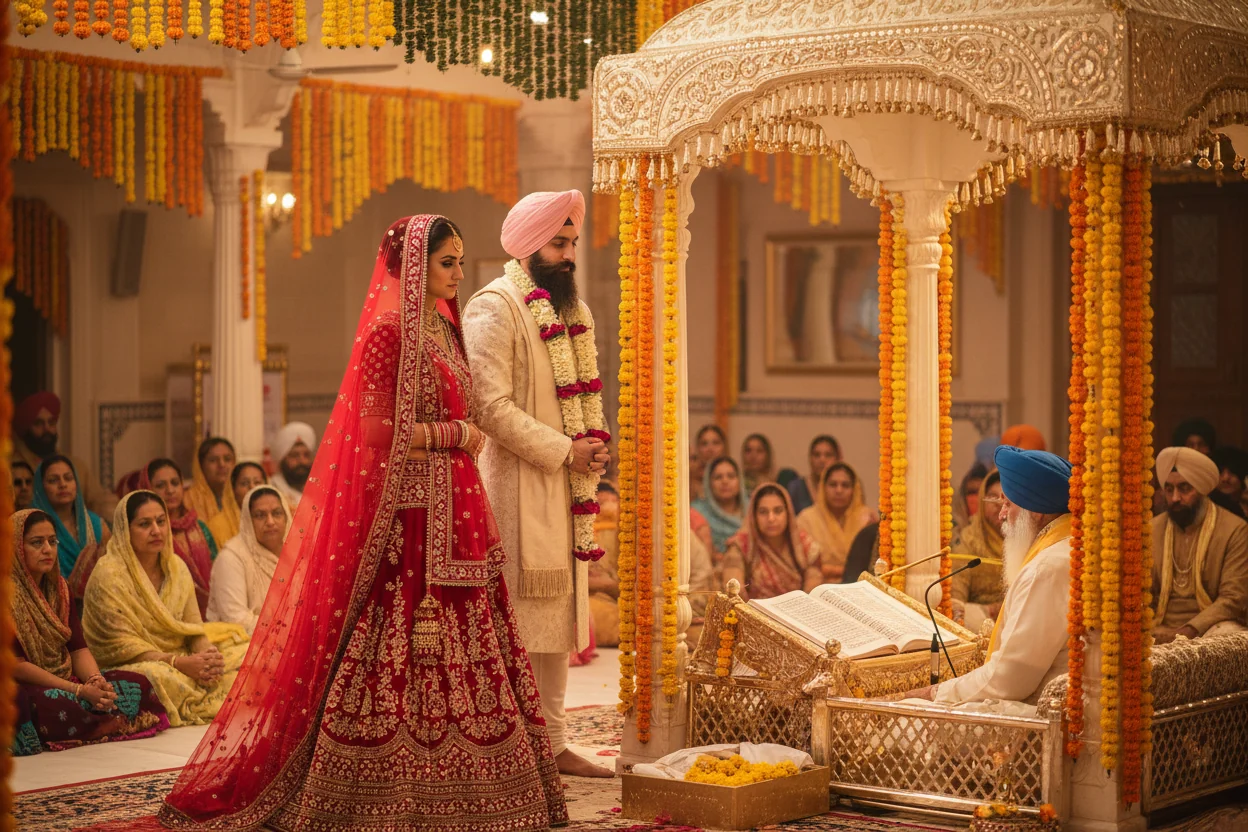
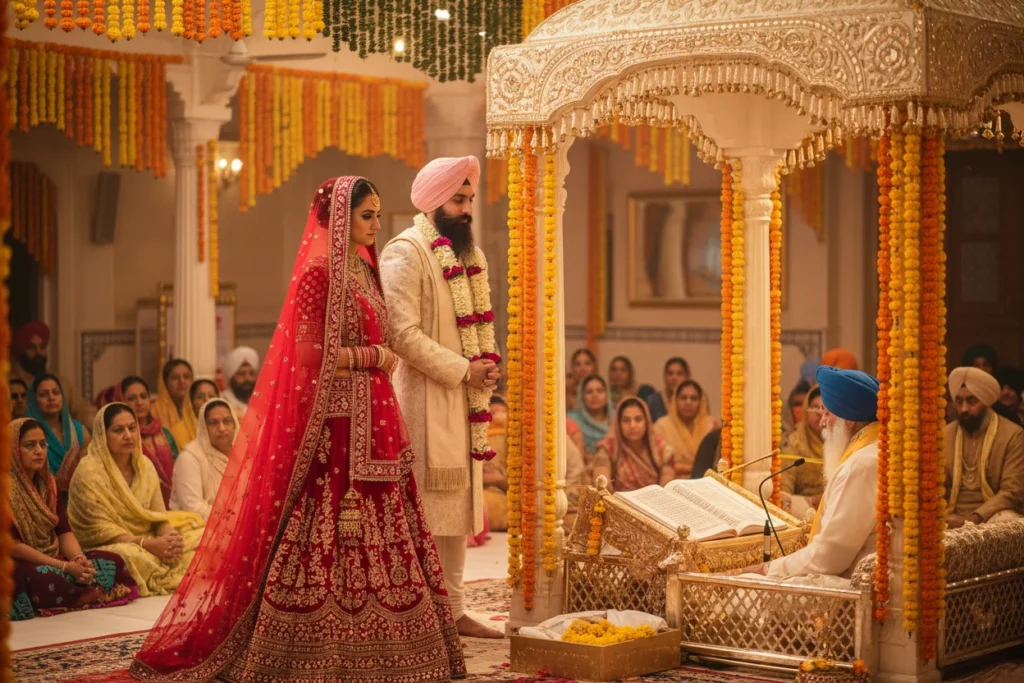
The Anand Karaj, meaning blissful union, is usually held in a gurdwara before the Guru Granth Sahib. The couple, joined by a palla, walks around it four times as the four Laavan hymns are sung. Once the fourth round is complete, the marriage is solemnised. It’s the spiritual core of Sikh wedding rituals.
Post-Wedding Punjabi Rituals
These Punjabi wedding rituals shift from tears to celebration.
Vidaai
The Vidaai is the most emotional moment. The bride throws rice or phulian over her shoulder, wishing prosperity on the home she’s leaving. At the groom’s home, paani vaarna and mooh dikhai welcome her.
Reception
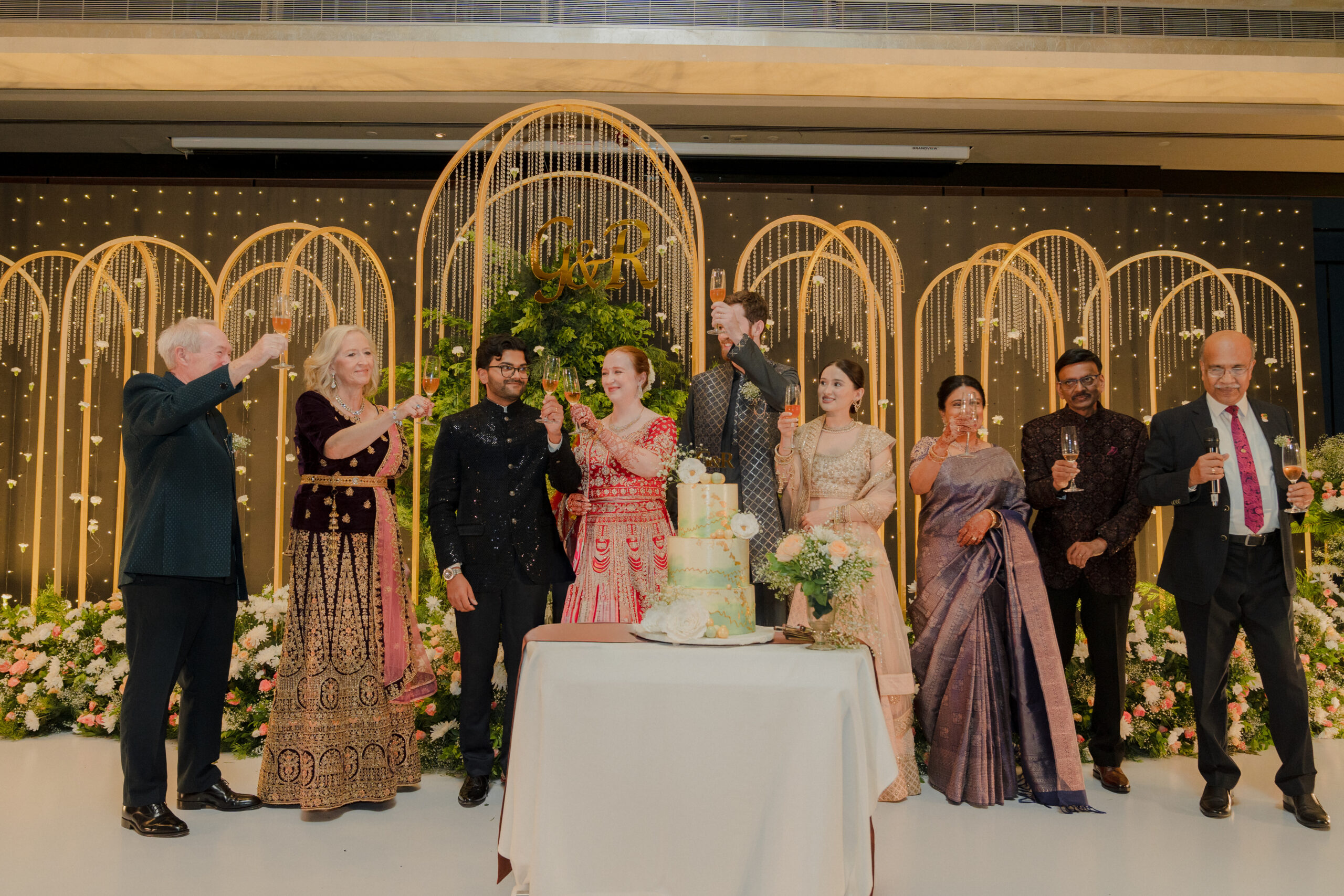
The reception, hosted by the groom’s family, is typically the most formal event, an elegant evening of dining and dancing that closes the celebrations.
Punjabi Wedding Ritual Checklist
Use this list to follow the order of Punjabi wedding rituals and tick off each traditional wedding step:
- Roka and Sagai
- Chunni chadai, Maiyan and Vatna
- Mehendi, Sangeet and Jaggo
- Choora, Kaleere, Sehra Bandi and Ghodi
- Baraat, Milni and Anand Karaj
- Vidaai, Paani Vaarna, Mooh Dikhai and Reception
How a Wedding Planner Can Help Coordinate Punjabi Wedding Rituals
With so many events, a wedding planner keeps timings, vendors and families in sync. Good Punjabi wedding planning means having one schedule for the dhol, decor and photography. If you are still deciding whether to bring someone on board, read this guide on when to hire a wedding event planner before you lock dates. Share your ritual list early so every Punjabi wedding ceremony has a time, a place, and a person in charge. It makes the Punjabi wedding rituals feel effortless.
Keep exploring wedding planning ideas on Aikyamm as you build your list.
FAQs
What are the main rituals in a Punjabi wedding?
Key Punjabi wedding rituals include the roka, chunni chadai, mehendi, sangeet, jaggo, choora, baraat, milni, Anand Karaj and vidaai.
What happens first in a Punjabi wedding?
The Roka comes first. Both families formally agree to the match and exchange sweets and blessings.
What is the Roka ceremony in a Punjabi wedding?
It’s the formal agreement between families, one of the earliest Punjabi wedding rituals, with gifts, sweets and elders’ blessings.
What happens during Anand Karaj?
The couple, joined by a palla, walks around the Guru Granth Sahib four times as the Laavan are sung, ending with Ardas and karah prashad.
What is the order of Punjabi wedding ceremonies?
It runs from roka and engagement to mehendi, sangeet and jaggo, then choora, baraat, milni, the main ceremony, vidaai and reception.