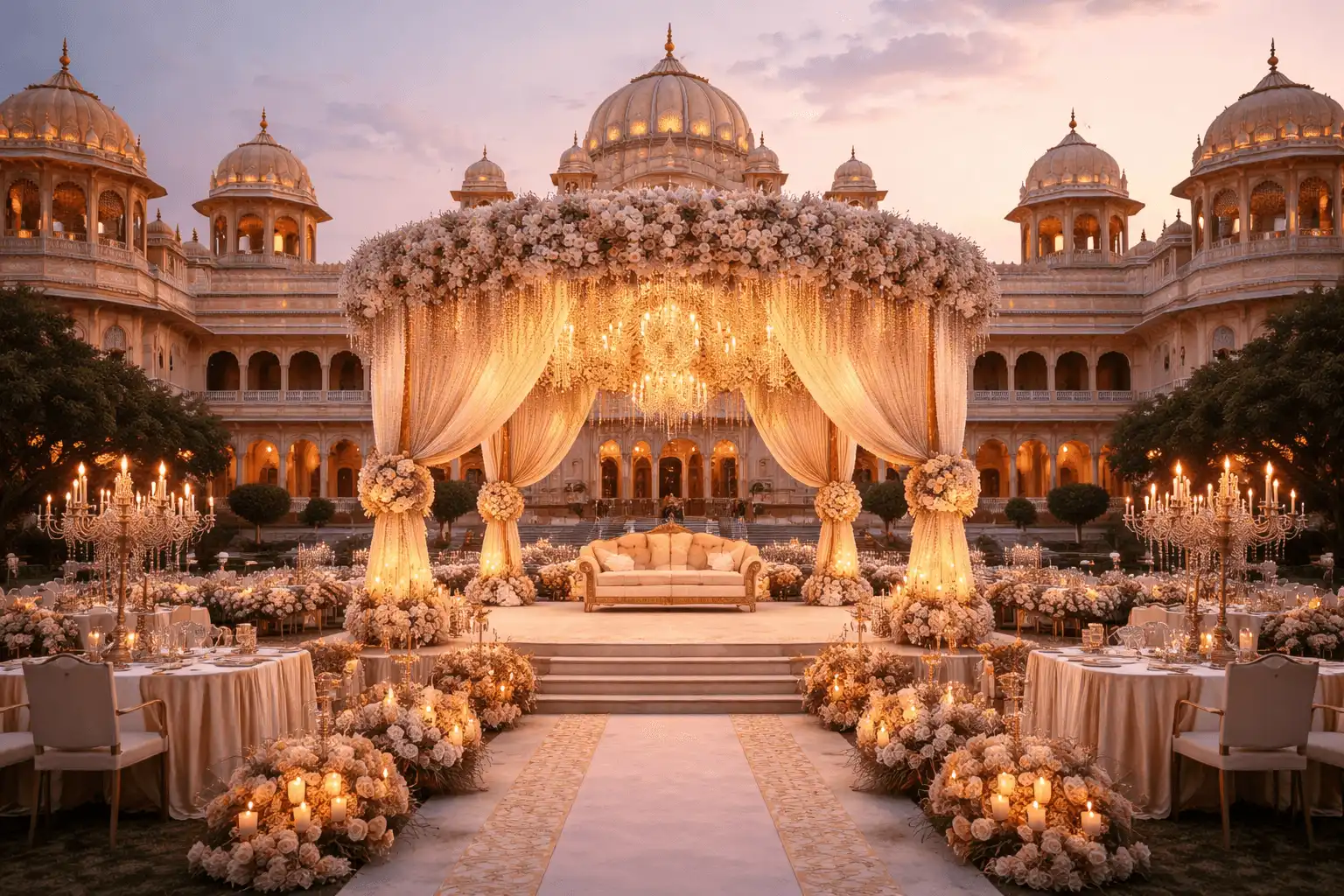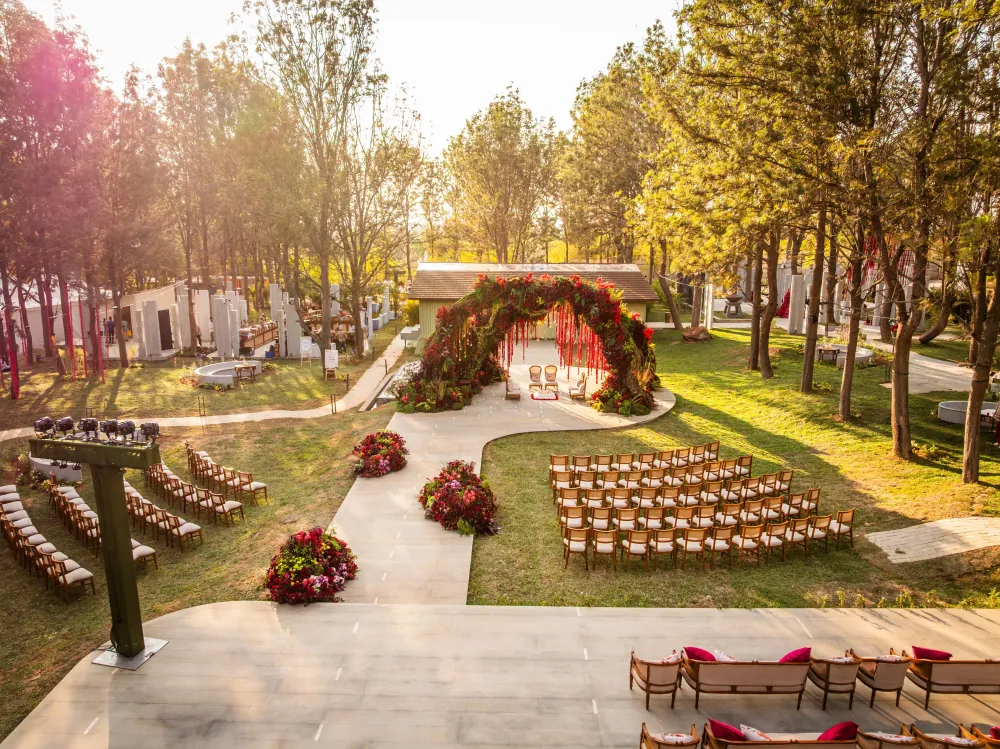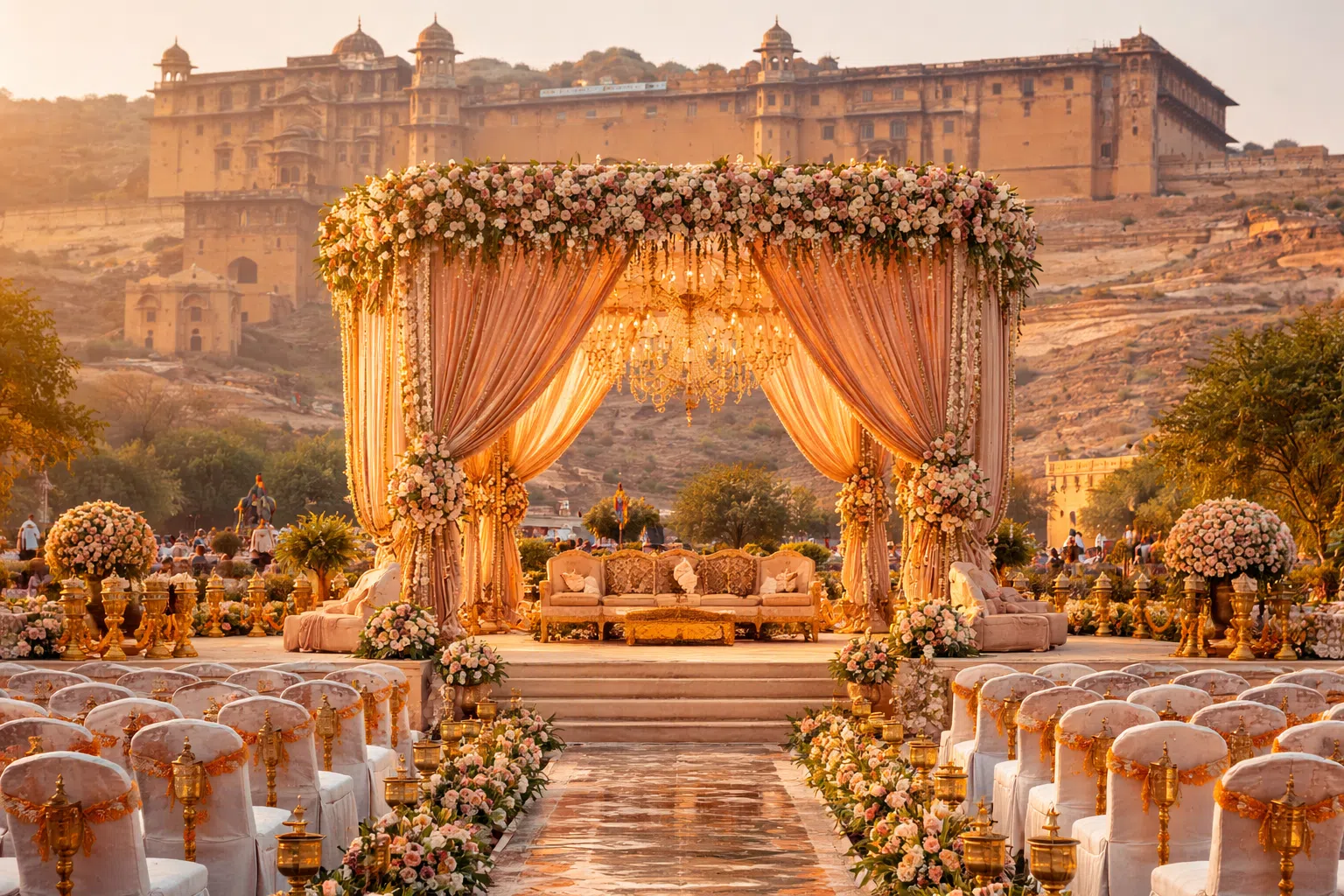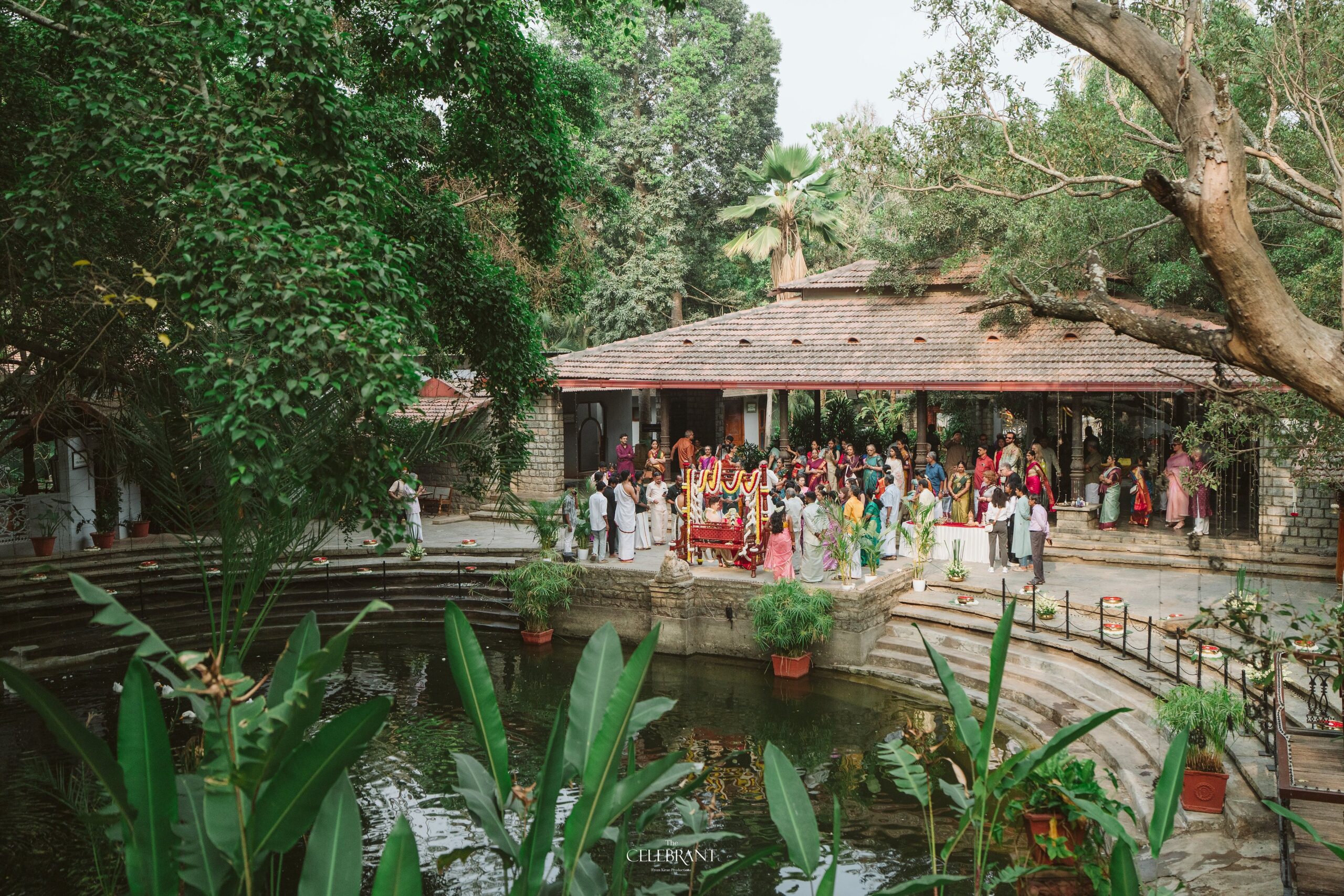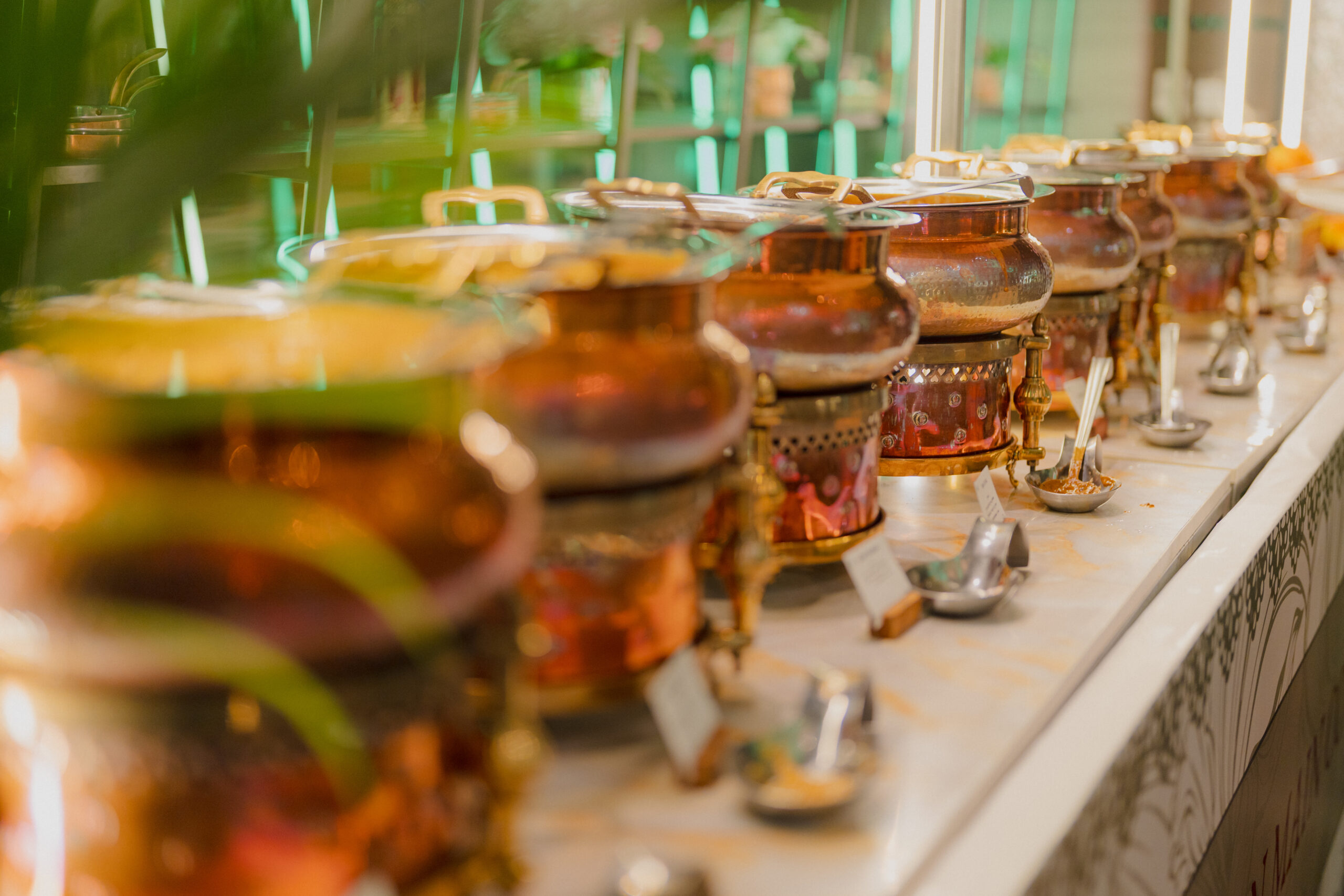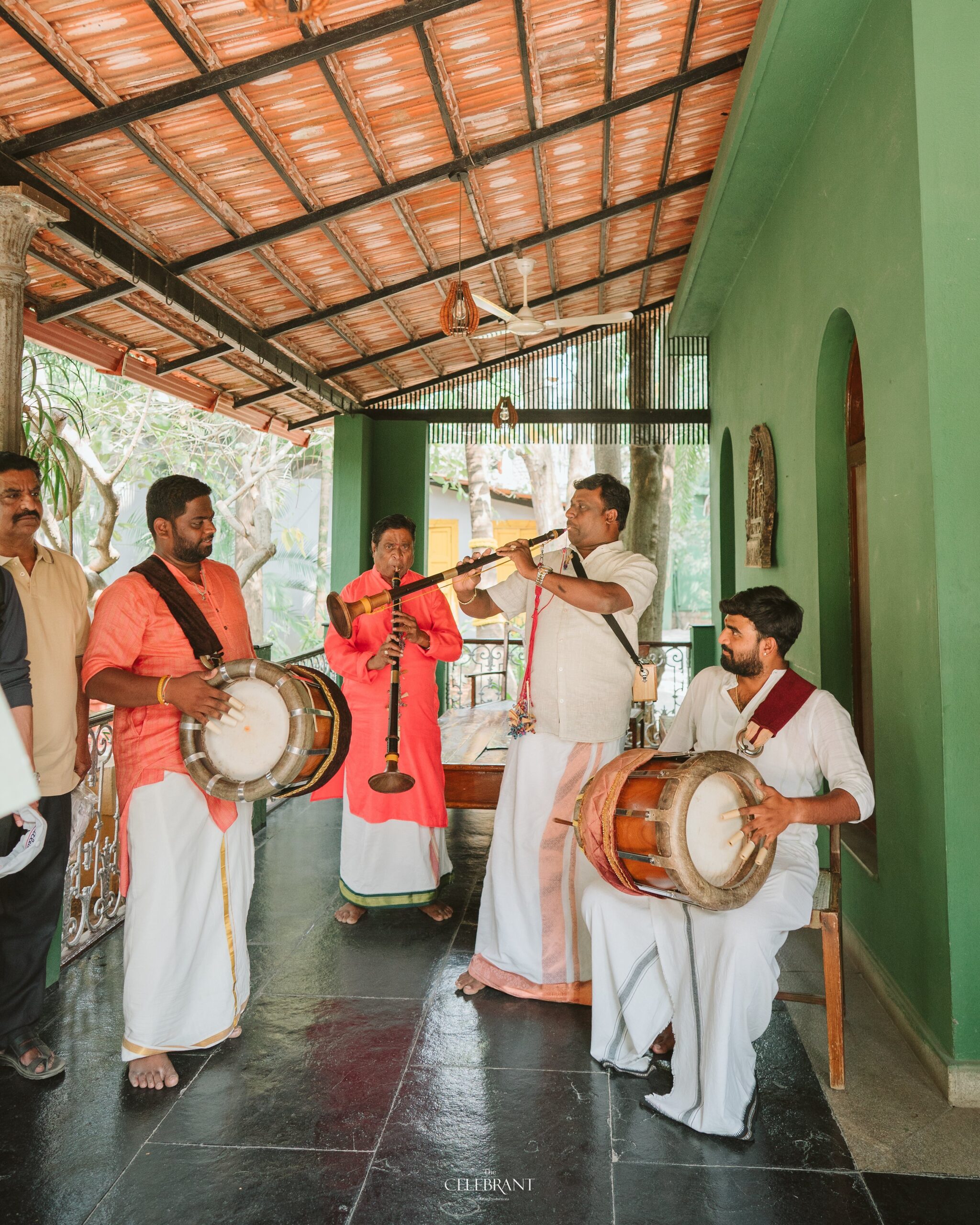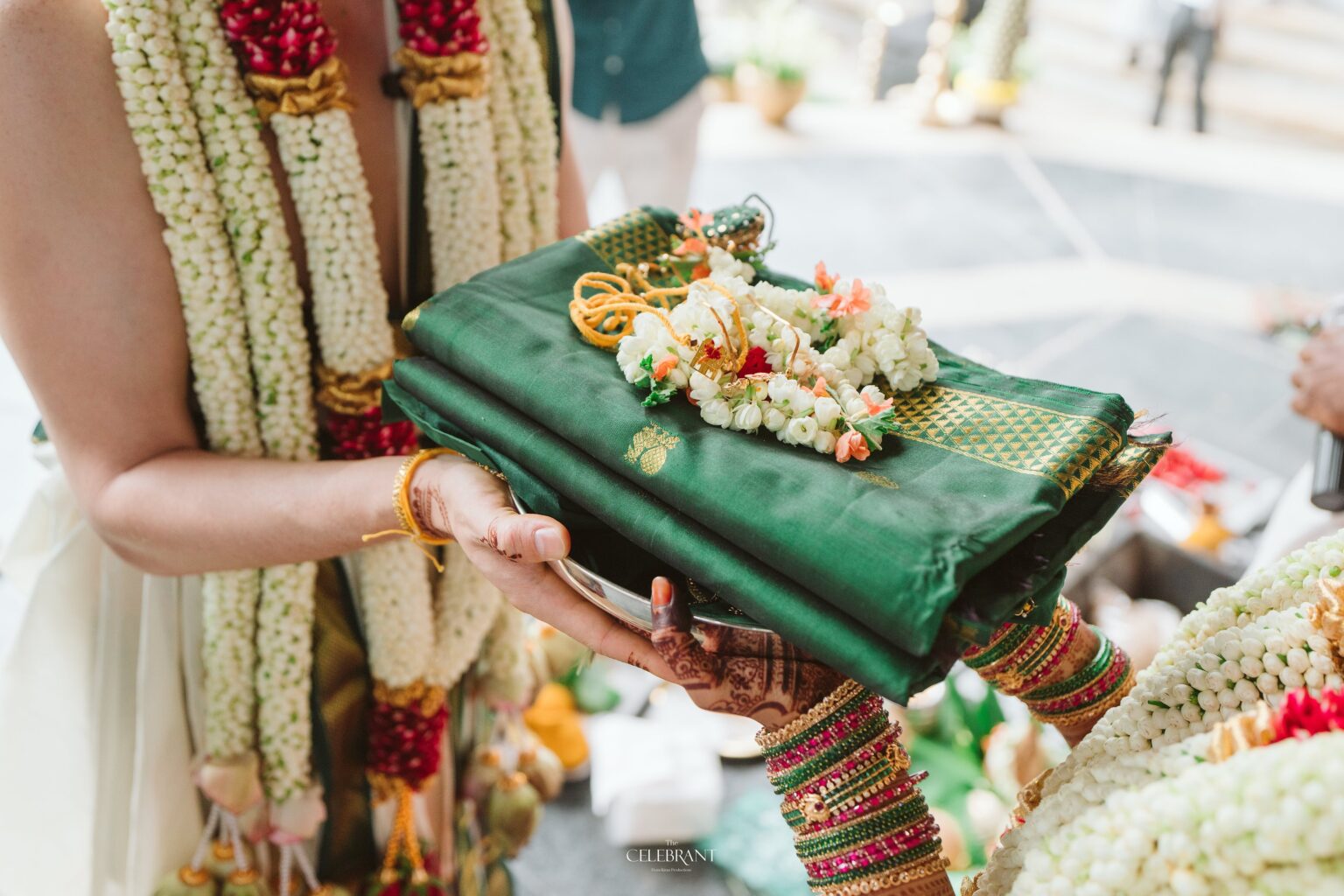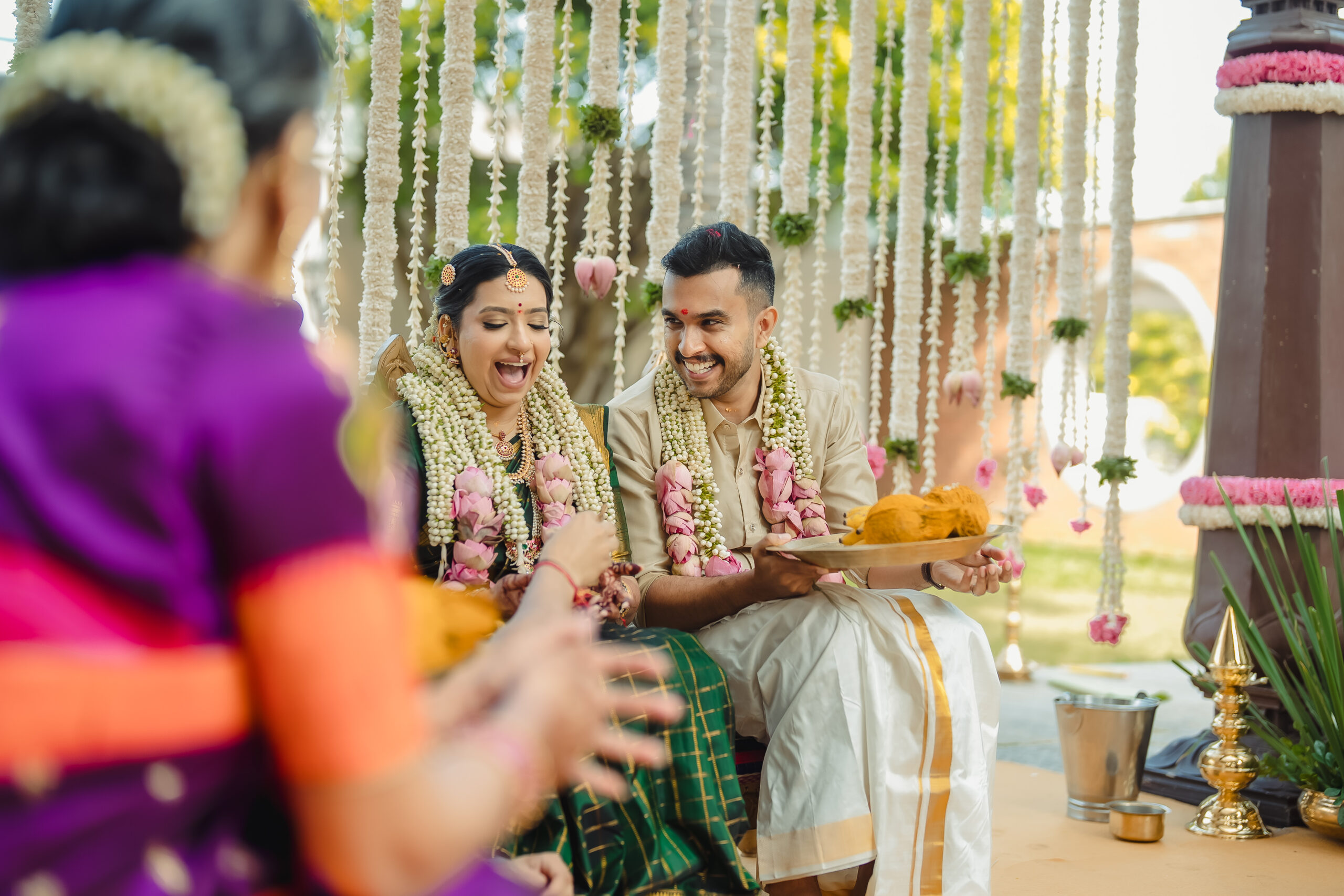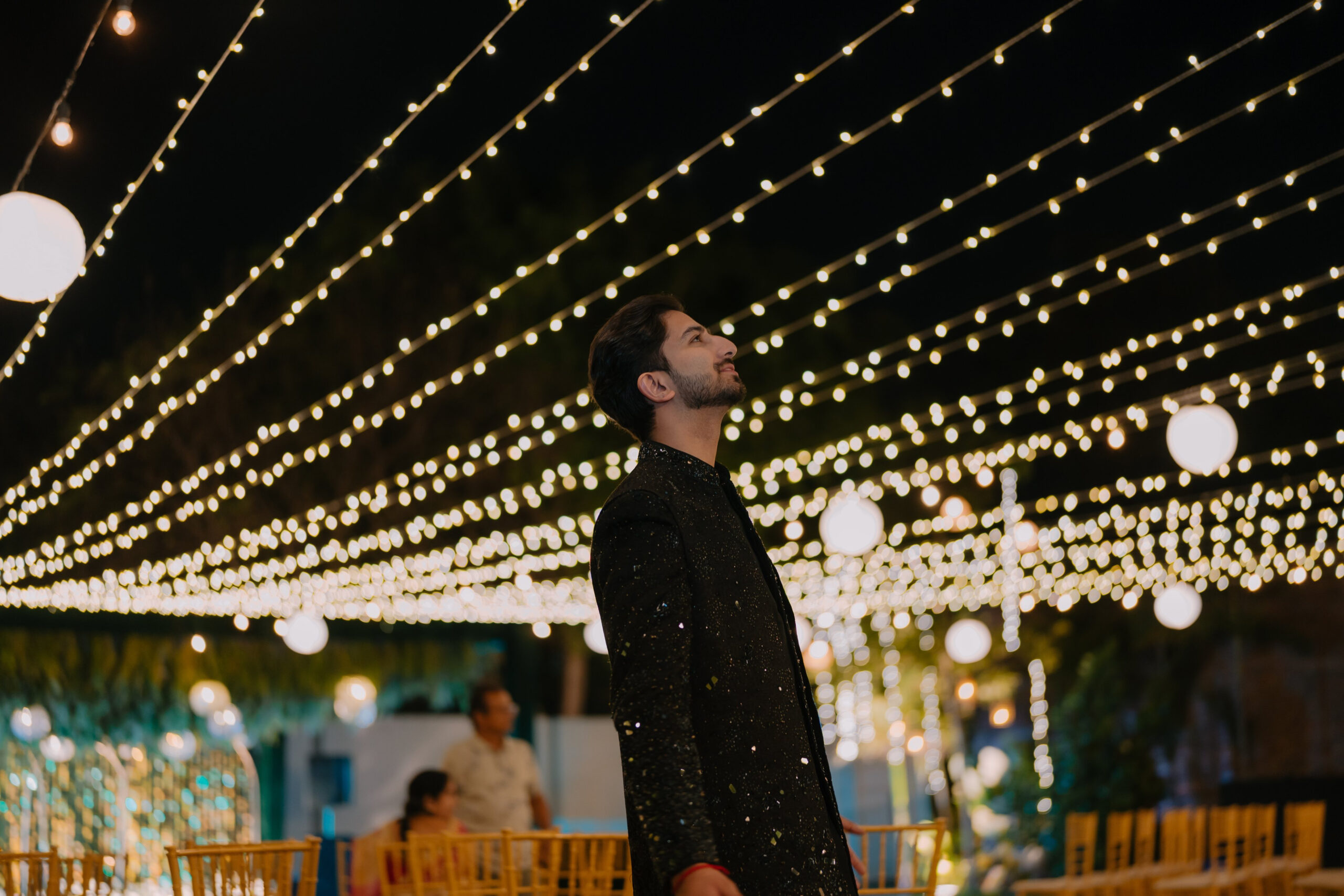
An Indian wedding is a beautiful blend of rituals, celebrations, family gatherings, and meaningful moments. With multiple ceremonies often spread across several days, a well-planned wedding itinerary helps everyone know where they need to be and when. From the first guest arrival to the final farewell, a clear schedule allows couples and families to enjoy each celebration without feeling rushed.
Indian Wedding Timeline: Planning the Celebrations
A typical Indian wedding timeline may begin with guest arrival and welcome activities, followed by Mehendi, Haldi, Sangeet, the main wedding ceremony, and the reception. The exact sequence can vary depending on family traditions, cultural customs, venue availability, and whether it is a destination celebration.
For couples planning a multi-day celebration, preparing a wedding event schedule in advance makes it easier to coordinate vendors, family members, and guests.
Day 1: Guest Arrival and Welcome
The first day is usually dedicated to Guest arrival and check-in. Allow sufficient time for guests to reach the hotel, collect their rooms, freshen up, and settle in before any formal event begins.
A relaxed welcome lunch or evening gathering can help guests meet one another. For destination weddings, welcome hampers can include the schedule, venue information, local recommendations, and essentials.
Day 2: Mehendi and Haldi
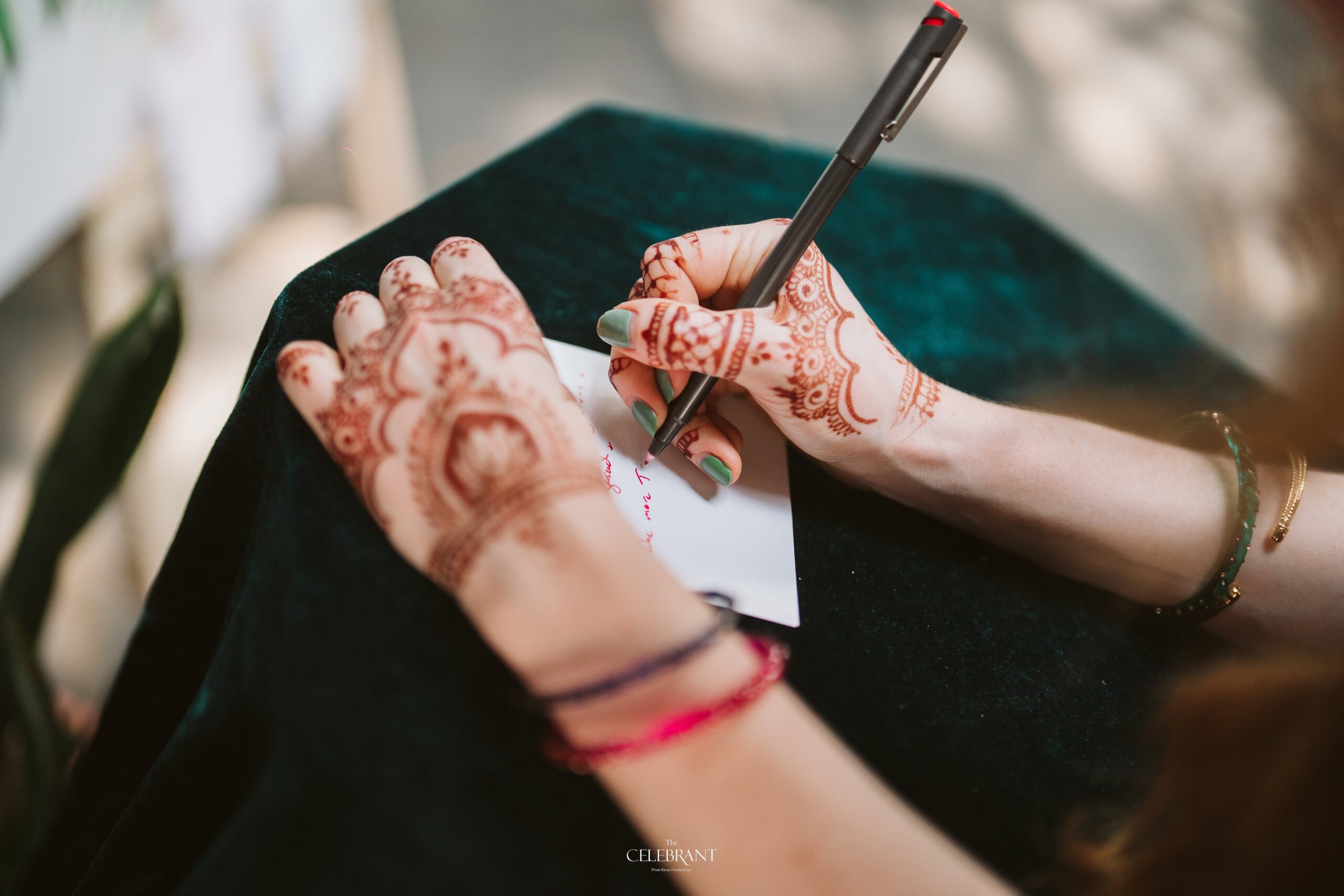
The Mehendi ceremony is often a daytime celebration. A practical Mehendi ceremony timing could be late morning or afternoon, giving guests enough time to participate without making the day feel too long.
Haldi can be scheduled before or after Mehendi, depending on family traditions. Keeping these ceremonies slightly apart allows the couple and guests time to change and prepare.
Day 3: Sangeet and Pre-Wedding Celebrations
The Sangeet is generally held in the evening and can include performances, music, dancing, and dinner. Your wedding ceremony schedule should allow enough preparation time for performers, makeup, photography, and guest seating.
For larger celebrations, share the Wedding events schedule with guests beforehand so they can plan their evening comfortably.
Day 4: Wedding Ceremony and Reception
The main wedding day should include clear timings for getting ready, photography, guest arrival, baraat, the wedding rituals, and the reception. A detailed wedding day itinerary helps vendors and family members stay coordinated while ensuring guests know when to arrive.
For destination celebrations, a destination wedding itinerary should also mention transportation between hotels and venues.
FAQs
What Should Be Included in an Indian Wedding Itinerary?
A complete itinerary should include ceremony names, dates, timings, venues, dress codes, meal timings, transportation details, and important contact information. A wedding itinerary example can also include short notes explaining what guests can expect at each event.
How Do You Create a Timeline for a Multi-Day Indian Wedding?
Start by listing every ceremony and working backwards from fixed timings, such as the wedding muhurat. Add preparation, travel, meals, photography, and buffer time between events.
What Time Should Guests Arrive for Each Wedding Ceremony?
Guests should generally arrive 15–30 minutes before an event begins. For ceremonies with fixed auspicious timings, communicate the recommended arrival time clearly.
How Should You Schedule Mehendi, Haldi, Sangeet and Wedding Ceremonies?
Schedule each event according to its cultural significance, venue availability, and guest comfort. Avoid packing too many major celebrations into one day.
Should an Indian Wedding Itinerary Include Guest Transportation and Accommodation Details?
Yes. Especially for destination weddings, include hotel check-in information, shuttle timings, venue addresses, and transport arrangements. A wedding welcome bag itinerary can also provide guests with a convenient summary of the celebrations and essential information.
A thoughtfully planned itinerary brings structure to a celebration without taking away its spontaneity. When every ceremony has enough time to unfold, couples, families, and guests can focus on what matters most: being present for every meaningful moment.